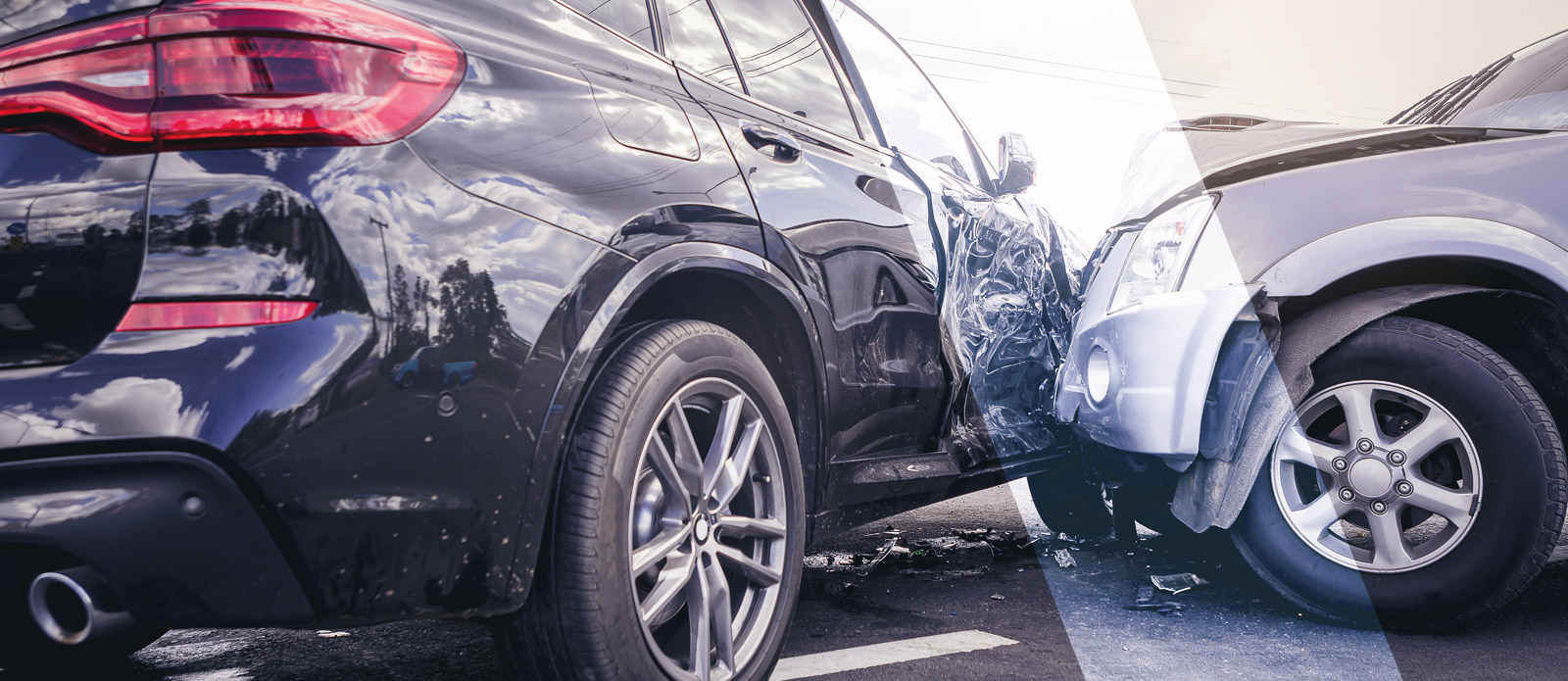
Harsh driving conditions can lead to many losses for your business, from injured staff, vehicle damage and breakdowns to impact on deliveries, claims from other road users and longer journey times.
To try and help you stay safer on the roads throughout the rest of the winter season, we have put together a brief yet comprehensive guide which we would encourage you to share with any employees who have access to your fleet.
By following these simple steps, you can limit the risks and ensure your journeys and business suffer minimum disruption
BEFORE SETTING OFF
- Is the journey necessary or can it wait until the weather improves?
- Plan your route in advance, check weather and traffic reports to ensure you have allocated additional time for any delays
- It is illegal to drive with poor visibility so ensure all windows including rear and side windows are cleared; allow additional time in the morning if necessary. If there is snow on the roof of the car it is a good idea to clear this as well to prevent snow falling onto your windscreen when braking
PREPARING YOUR VEHICLE
- This will include ensuring your lights are clean and working, that your battery is fully charged, your windscreen, wiper blades and other windows are clean, that your tyres are in good condition, including the tread depth and pressure. You will also want to make sure that your brakes are working well, and your fluids are kept topped up, especially windscreen wash, anti-freeze and oil.
- Pack your car with an Emergency Kit – Your emergency kit should include a tow rope, shovel, boots, hazard warning triangle, De-icing equipment, First aid kit, working torch, blanket, warm clothes, hot drink in a flask, and a charged mobile phone. Of course, what is important to you may not be important to others, so pack your emergency kit with what you think you will need.
- If you live in a particularly rural area it may be worthwhile investing in winter tyres. Winter tyres have different tread patterns to provide greater traction and stability and they are also made with a different compound containing a high-silica content; this softer and more pliable material provides more grip at lower temperatures.
DRIVING TIPS
- Where possible pull away in second gear, carefully easing your foot off the clutch to avoid wheel spin
- Ensure steering, breaking and gear changes remain smooth and slow
- If you do start to lose control and skid, steer into it maintaining your grip on the steering wheel and don’t slam on the brakes
- Maintain a gap of up to ten times the usual distance between the car in front
- Knowing what to do if you get stuck in snow –If you get stuck in snow, revving your engine to try to power out of the rut will just make the rut worse. Instead, move your vehicle slowly backwards and forwards out of the rut using the highest gear you can. If this doesn’t work, you may have to ask a friendly passer-by for a push or get your shovel out.
- Knowing what to do if you experience aquaplaning in bad rain – Aquaplaning is caused by driving too fast into surface water. When the tyre tread cannot channel away enough water, the tyre(s) lose contact with the road and your car will float on a wedge of water. Aquaplaning can be avoided by reducing speed in wet conditions. Having the correct tyre pressure and tyre tread depth will maximise your tyres’ ability to maintain their road grip. If it happens, ease off the accelerator and brakes until your speed drops sufficiently for the car tyres to make contact with the road again.
- Knowing what to do in poor sunlight/low visibility – The glare of the winter sun can make driving very difficult. It can stop you seeing the road ahead completely and suddenly. In these conditions it is important to reduce your speed, keep your windows clean and smudge free, and wear sunglasses. When it comes to fog, it is usually best to wait it out and only drive when the fog has cleared. It is very difficult to drive in fog and make yourself visible.
We hope this guide will prove to be of assistance to avoiding any accident in these winter months.