
Scotland’s commercial property market has shown both resilience and adaptability over the past few years. Despite wider economic uncertainty, shifting occupational trends, and evolving investor priorities, the market continues to attract attention across multiple sectors. Offices, retail, and industrial property each tell a different story, but together they reflect a market in transition and one that offers opportunities for agile investors and occupiers.
Offices: Flight to Quality
The Scottish office market, particularly in Edinburgh and Glasgow, remains defined by a “flight to quality.” Demand is increasingly concentrated in prime, well-located buildings with strong ESG credentials, flexible floorplates, and top-tier amenities. Occupiers are willing to pay a premium for modern, energy-efficient space that supports both staff wellbeing and corporate sustainability targets.
At the same time, older secondary stock faces significant pressure. Obsolescence risk is rising, with many landlords needing to consider refurbishment or alternative uses to maintain income. Flexible workspace operators also continue to play an important role, as occupiers look for shorter commitments and hybrid working arrangements.
Retail: Resilience in Select Locations
Retail has endured perhaps the most disruption of all property sectors, but Scotland’s market is showing signs of stabilisation. Prime high street and shopping centre assets have seen values recalibrate, but there is renewed interest where locations can demonstrate strong footfall and a blend of retail, leisure, and hospitality. Cities such as Edinburgh, with its tourist appeal, and Glasgow, with its regional retail dominance, remain attractive for flagship stores.
Retail parks have also performed robustly, benefitting from convenience-led shopping and the expansion of discount, grocery, and homeware operators. Occupiers in these formats value accessibility, parking, and the ability to integrate with online channels, giving this sub-sector a relatively positive outlook.
Industrial & Logistics: The Standout Performer
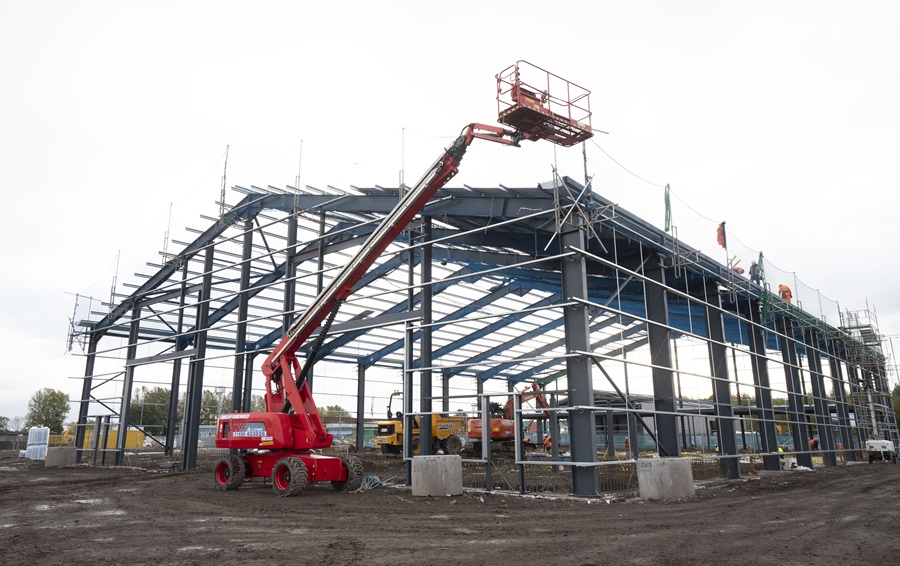
Industrial property remains the strongest segment of Scotland’s commercial market. Demand is underpinned by e-commerce, supply chain reconfiguration, and the need for last-mile logistics facilities. Vacancy rates are low across most major conurbations, with prime rents continuing to edge upwards.
Developers face challenges in securing viable land and navigating planning, but where new space is delivered, it is typically absorbed quickly. The sector also benefits from Scotland’s strategic position for distribution across the UK and into Europe. Longer term, demand from green energy and advanced manufacturing may further reinforce the sector’s appeal.
Investment Trends
On the investment side, Scotland continues to attract both domestic and overseas capital. Yields have adjusted in line with interest rate movements, but core assets with strong income profiles remain competitive. Offices with Grade A sustainability credentials, well-let industrial estates, and dominant retail parks are among the most sought-after. Investors are also paying close attention to alternative sectors, including student housing and build-to-rent, which tie into Scotland’s strong demographic and university base.
Looking Ahead
The Scottish commercial property market is undergoing structural change, but opportunities remain compelling. Offices are polarising between prime and secondary; retail is evolving into a more experience-driven model; and industrial continues to be the standout performer. For investors and occupiers alike, success will depend on understanding these sectoral dynamics, aligning with long-term trends, and remaining alert and agile in a market that is far from standing still.