Navigating Commercial Motor Trade Insurance in the UK: Key Considerations for Motor Traders
Categories:
Share This:
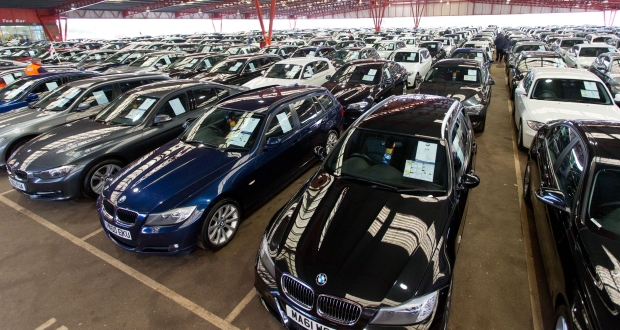
The motor trade industry in the UK is fast-paced, competitive, and filled with unique risks. Whether you are a part-time trader selling a handful of cars from your driveway, or you operate a large-scale dealership with multiple employees, having the right insurance cover is not just a regulatory requirement—it’s a safeguard for your livelihood.
Commercial motor trade insurance can seem complex, but by understanding the key considerations before you buy, you can secure the right level of protection at the right price. In this article, we’ll explore the essentials that every motor trader should keep in mind when arranging their insurance.
1. Understanding Motor Trade Insurance Basics
At its core, motor trade insurance provides cover for individuals and businesses working within the motor trade industry. This includes:
– Vehicle sales (retail or wholesale)
– Servicing and repairs
– MOT testing
– Valeting and detailing
– Recovery services
– Vehicle delivery and collection
The fundamental principle is simple: if you are handling, driving, or responsible for vehicles that don’t belong to you in the course of your work, you need specialist cover.
Without it, you risk financial loss and potential prosecution under the Road Traffic Act.
2. Road Risk vs. Combined Insurance
Motor trade insurance policies broadly fall into two categories:
– **Road Risk Insurance**
Covers you for driving customer or stock vehicles on public roads. Levels of cover mirror private car insurance: Third Party Only (TPO), Third Party, Fire & Theft (TPFT), and Comprehensive. This type of policy suits smaller traders who work from home or operate on a limited scale.
– **Motor Trade Combined Insurance**
A more extensive policy that includes road risks but also protects your premises, stock, tools, machinery, money, and liabilities. This is often essential for established businesses with a forecourt, workshop, or dedicated premises.
Choosing between these depends on your business size, structure, and exposure to risk.
3. Assessing Your Business Activities
Insurers will want to understand exactly what your business does. Transparency here is critical—misrepresenting your activities could invalidate a claim.
Questions to ask yourself:
– Do I only buy and sell vehicles, or do I also repair them?
– Am I responsible for storing customer vehicles?
– Do I employ staff who will also drive or handle vehicles?
– Do I offer recovery, breakdown, or valet services?
Each activity carries a different level of risk and will impact your premium. For instance, a trader specialising in high-value sports cars will need broader cover compared to someone trading in budget vehicles.
4. Considering Liability Cover
Beyond road risks, liability cover is one of the most important elements of a motor trade insurance policy:
– **Public Liability Insurance** – Covers injury or property damage to third parties while on your premises.
– **Employers’ Liability Insurance** – A legal requirement if you employ staff, even part-time or casually.
– **Product Liability Insurance** – Covers claims relating to defective parts fitted during servicing or repairs.
Liability claims can be financially devastating, and courts in the UK are increasingly awarding high settlements. Ensuring robust liability cover is not an optional extra—it’s essential.
5. Security and Risk Management
Insurers reward businesses that demonstrate good risk management. To secure better premiums, motor traders should:
– Install CCTV and alarm systems on premises
– Use immobilisers or trackers for high-value stock vehicles
– Keep accurate records of vehicles, tools, and parts
– Implement staff training on health and safety
By reducing the likelihood of theft or accidents, you not only protect your business but also strengthen your negotiating position with insurers.
6. Balancing Cost vs. Cover
It can be tempting to chase the lowest premium, but underinsurance can leave you dangerously exposed. Instead, motor traders should:
– Compare policies on the **breadth of cover**, not just price.
– Check policy exclusions carefully—what isn’t covered is as important as what is.
– Ask about **policy add-ons** that may suit your business, such as demonstration cover (allowing customers to test-drive vehicles).
Remember: the cheapest policy may cost you more in the long run if it doesn’t respond when you need it most.
7. Working with a Specialist Broker
The motor trade insurance market is niche, and not all insurers or comparison sites can provide suitable cover. A specialist broker can:
– Access insurers who only deal with trade policies
– Advise on tailoring cover to your exact activities
– Help you avoid pitfalls such as misrepresentation
– Support you in the event of a claim
This expertise can often save you both time and money while ensuring peace of mind.
8. Staying Compliant and Up to Date
Finally, compliance is key. Traders must:
– Keep their **Motor Trade Insurance Certificate** valid and accessible
– Update insurers immediately about changes to business activities
– Ensure named drivers meet age and licence requirements
– Renew policies in good time to avoid lapses in cover
The motor trade landscape is constantly evolving, and so are insurance requirements. Regular reviews ensure you remain protected as your business grows.
Final Thoughts
Commercial motor trade insurance is more than a legal formality—it’s the backbone of a motor trader’s financial protection. By understanding the types of cover available, assessing your specific activities, and working with a specialist broker, you can secure insurance that fits your business like a glove.
In an industry where risks can be high and margins tight, the right insurance isn’t just about compliance—it’s about confidence, professionalism, and sustainability.
Don’t see motor trade insurance as a cost to cut—see it as an investment in the security and long-term success of your business.
Speak to Anderson Smith for more motor trade advice and arranging your motor trade insurance.