Underinsurance
A recent global survey by Hiscox found that 74% of small businesses have some level of underinsurance. This means that the majority of businesses do not have the cover they need and could face significant financial difficulties if they ever need to make a claim.
We see this regularly when onboarding new clients, many of whom are unaware that their existing insurance arrangements may leave them exposed. In this guide, we take a closer look at what underinsurance is, the common ways businesses can find themselves underinsured, and the steps you can take to ensure your policy cover is set up on the right basis.
What is Underinsurance?
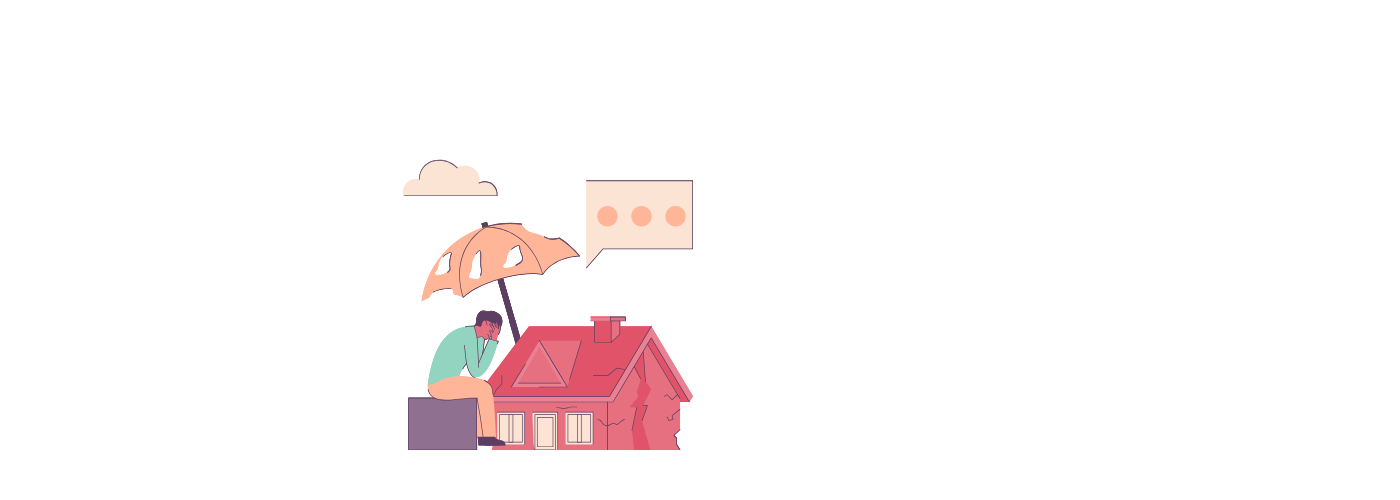
Underinsurance occurs when a business’s insurance cover is insufficient to fully protect it against potential losses. This means that if you need to make a claim, your policy may not cover the complete cost of damages. Therefore, this can leave your business in a vulnerable position financially.
A business may face this as their policy has unrealistic indemnity periods. They may also have incorrect valuations, higher than expected liability claims, or business operations changes that have not been updated in the insurance policy.
Ways Businesses may face Underinsurance
There are many reasons why a business may be underinsured. This includes:
Incorrect Sums Insured
The full value of a business’s assets may not be covered, and indemnity limits, which are the maximum amount an insurer will pay in each period, may be insufficient. This could relate to the cost of recovering systems following a cyber-attack or the value of a professional indemnity claim. To avoid this, sums insured should be reviewed regularly and ahead of renewing your business insurance.
Business Change
Your business needs may have changed since the policy was first put in place. This could include updates to your terms of reference, an increase in revenue, or a change in ownership structure. This can include moving from a privately owned to a public company.
If any of these changes have occurred, your financial lines insurance will need to be reviewed and updated. This is important to ensure you are adequately covered in the event of a financial loss, and any costs involved with this are covered too.
Unrealistic Indemnity Periods
A lot of businesses fail to estimate a realistic length of time it will take to fully recover their trading level after a loss. It’s common that many will take out a 12-month indemnity period rather than a more realistic 24-month period. Supply chain pressures, rising material costs, global uncertainty and wider economic conditions can all delay recovery. This is often more common for businesses operating from historic or specialist premises, or those relying on bespoke equipment that takes longer to replace.
Incorrect Valuation
It is crucial to ensure that the sum insured for your buildings accurately reflects the full cost of rebuilding the property. This includes demolition, site clearance, planning and professional fees, materials and labour. It must also account for price increases and market fluctuations. For example, if your building is insured for £250,000 but the actual cost to rebuild would be £500,000, your insurer would only pay out 50% if you need to make a claim due to a fire or significant damage to the building. You would then be responsible for covering the remaining 50% yourself to rebuild.
Unfortunately, many businesses discovered this when material and labour costs rose sharply following Brexit and the pandemic, with insurance policies not being updated to reflect these changes.
How to Make sure You Are Insured for the Right Basis
Before you open a policy, you must make sure you are insured for the right basis and you understand the policy. Here are simple steps to avoid underinsurance:
- Consult a reputable insurance broker. We will be able to give you the right advice and ensure your business is protected. We have a talented team with years of experience and wide-ranging expertise. Get in touch with us if you need any support.
- Review assets and liabilities ahead of renewal – make sure your new policy reflects where your business is at now. Any changes must be included to be fully covered.
- Value the property based on rebuild, not market value: This must be done by a qualified building surveyor. Your premium might be higher but this will be a minor cost compared to an uninsured loss. Get in touch if you need support with this.
- Set realistic indemnity periods
- Disaster recovery plan: this will support a quicker recovery and reduce the risk of exceeding your indemnity limits.
- Always Factor in inflation: We’ve all witnessed costs across the board rising at a dramatic level. It’s important your cover reflects this.
- Make sure all potential fees are covered: this includes solicitors fees, accountants, and IT professionals.
How We Can Help
At Anderson Smith, we want businesses to understand the risks of underinsurance and take proactive steps to address them. We offer a free, no-obligation review of your existing insurance programme, ideally carried out well in advance of renewal to avoid unnecessary time pressure.
The review assesses whether your cover is fit for purpose. It highlights any under or over insurance, gaps or duplication in cover, and whether the cost represents value for money. It is completed with complete discretion, and concludes with a clear, concise report that we will talk through with you.
If you would like expert advice on anything we’ve discussed in this article, contact us today on: 01577 333 177 or info@anderson-smith.co.uk
Get In Touch
Get in touch today to discover how Anderson Smith can protect your business with expert advice and tailored insurance solutions you won’t find on comparison sites.