Understanding Standard Cover Exclusions in Commercial Property Owners Insurance
Categories:
Share This:
When you invest in a commercial property, having the right insurance is essential. It protects your asset against unexpected events — from fire and flood to accidental damage or liability claims. However, one area that often causes confusion (and sometimes frustration) for property owners is policy exclusions.
Understanding what isn’t covered is just as important as knowing what is.
Below, we’ll break down the standard exclusions typically found in commercial property owners insurance policies — and why they exist.
- Wear and Tear / Gradual Deterioration
Insurance is designed to cover sudden and unforeseen events, not the natural decline of a building or its contents over time.
Damage caused by rust, corrosion, rot, fading, or general wear and tear is normally excluded. Regular maintenance (and renewal when required) remains the responsibility of the property owner.
Example:
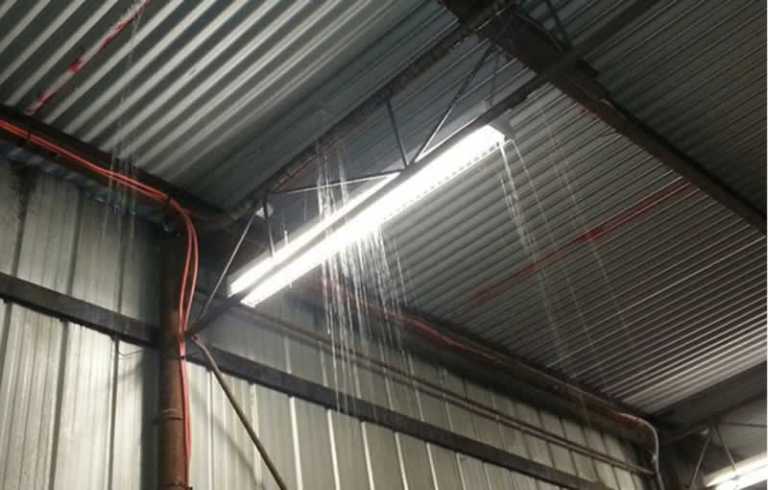
If a roof leaks due to old age rather than storm damage, repairs are unlikely to be covered.
- Defective Design, Workmanship or Materials
Policies generally exclude damage arising from poor-quality construction, design flaws, or faulty materials.
While insurers may cover the resulting damage (for example, water damage caused by a burst pipe), they typically won’t pay to fix the underlying defect itself.
Tip:
Always ensure contractors are accredited and that building work meets regulatory standards — it can prevent both loss and coverage disputes.
- Acts of War, Terrorism, or Civil Commotion
Standard property insurance excludes losses resulting from war, invasion, or similar hostilities.
Terrorism is also excluded under most base policies, but optional terrorism cover can usually be added for an extra premium — and is often advisable for properties in city centres or high-profile areas.
- Pollution and Contamination
Loss or damage caused by pollution, contamination, or hazardous materials is generally excluded — unless it results from a specific insured event (e.g., fire or explosion).
Environmental liability policies can be arranged separately to address these risks.
- Vacancy and Unoccupancy Conditions
If a property is left unoccupied for an extended period (often 30 or 60 days), cover may automatically reduce or exclude certain risks such as malicious damage, escape of water, or theft.
Owners should always notify their insurer if a building becomes vacant to ensure appropriate unoccupied property cover is in place.
- Cyber and Data-Related Losses
As property insurance focuses on physical assets, losses arising from cyber incidents or data breaches are excluded.
A separate cyber insurance policy is needed to protect against these modern, intangible risks.
- Electrical or Mechanical Breakdown
Damage from electrical or mechanical breakdowns (for example, in lifts or air-conditioning systems) is typically excluded.
Specialist engineering or equipment breakdown cover can be added to fill this gap.
- Mould, Fungus and Infestation
Damage from mould, mildew, insects, or vermin is another common exclusion. These are considered maintenance-related issues rather than insurable events.
Why Exclusions Exist
Exclusions aren’t there to trip you up — they exist to keep insurance sustainable and premiums affordable.
They draw a clear line between sudden, accidental events (which insurance covers) and predictable or preventable losses (which are part of ownership responsibility).
The Takeaway for Property Owners
Before purchasing or renewing your policy, it’s essential to:
✅ Review the exclusions in detail
✅ Discuss any unique risks with your broker
✅ Consider optional add-ons (terrorism, unoccupied property, equipment breakdown, etc.)
Insurance is not one-size-fits-all. A well-tailored commercial property owners policy — with the right extensions and understanding of exclusions — ensures you’re truly protected when it matters most.
If you’re a landlord, property investor, or risk manager navigating commercial property insurance, taking time to understand your exclusions can save you from costly surprises later on. Always seek professional advice from your commercial insurance broker to ensure your cover reflects your real-world exposures.